
Best Laptop Brands in India (2026): Who to Buy From When Prices Are Rising

If you priced a laptop last year and are shopping again now, you have probably noticed the same thing everyone else has: the same money buys less. A memory chip shortage has pushed up the cost of RAM and storage, and laptop makers have passed it on.
That changes how you should pick a brand. When prices are rising, the right question is less “which brand is best?” and more “which brand gives me a machine I will not need to replace in three years, and support I can actually reach when something breaks?” This guide is built around that question.
The short answer: HP and Lenovo are the safest picks for most buyers, with the widest range and the largest share of what Indians buy. Dell and Acer are strong on value and service reach. Asus gives you the most features for the price, especially in gaming. Apple costs more upfront but tends to last longer and resell better, and the MacBook Neo has brought its entry price down to Windows mid-range levels.
Why laptops cost more in 2026
The short version: AI data centres are buying up memory chips, and consumer devices are paying for it. Business Today reported in June that laptop prices from Dell, HP and Lenovo had risen 15% to 30% this year, with DRAM prices nearly doubling over twelve months. Earlier in the year, analysts warned that machines once priced at ₹30,000–₹35,000 were moving towards ₹45,000.
The effect is easy to see at the shelf. A Lenovo IdeaPad Slim 3 with a Ryzen 5 chip, 16 GB RAM and a 512 GB SSD, a mainstream configuration that used to sit in the ₹50,000s, launched this October at ₹77,990 and was selling around ₹73,000 on Amazon at the start of November.
IDC, which tracks PC shipments, expects consumer demand to slow sharply in the second half of 2026 as buyers delay purchases, and globally it expects the memory shortage to last into early 2028. In other words, waiting a few months is unlikely to bring prices back to 2025 levels.
Who sells the most laptops and PCs
Market share is not a quality score, but it tells you which brands have the biggest service networks and the most spare parts in circulation. Here is IDC’s count for April–June 2026, covering desktops, notebooks and workstations:
| Rank | Brand | Share (Q2 2026) | Units shipped |
| 1 | HP | 29.4% | 1.15 million |
| 2 | Lenovo | 20.3% | 7.96 lakh |
| 3 | Acer | 14.8% | 5.79 lakh |
| 4 | Dell | 14.1% | 5.52 lakh |
| 5 | Asus | 7.7% | 3.01 lakh |
| – | Others (incl. Apple) | 13.8% | 5.40 lakh |
Source: IDC data as reported by NCN Online, September 2026. Total market: about 3.9 million units, up 12.1% year on year. Apple is not broken out in India.
Two things worth knowing behind those numbers. Commercial buying, by companies and government, grew much faster than consumer buying. And a big chunk of Acer’s share comes from schools and government: in January–March 2026 it held 63.7% of education notebook shipments. So the brand you see most in offices and classrooms is not always the one most families pick off the shelf.
The brands, one by one
HP
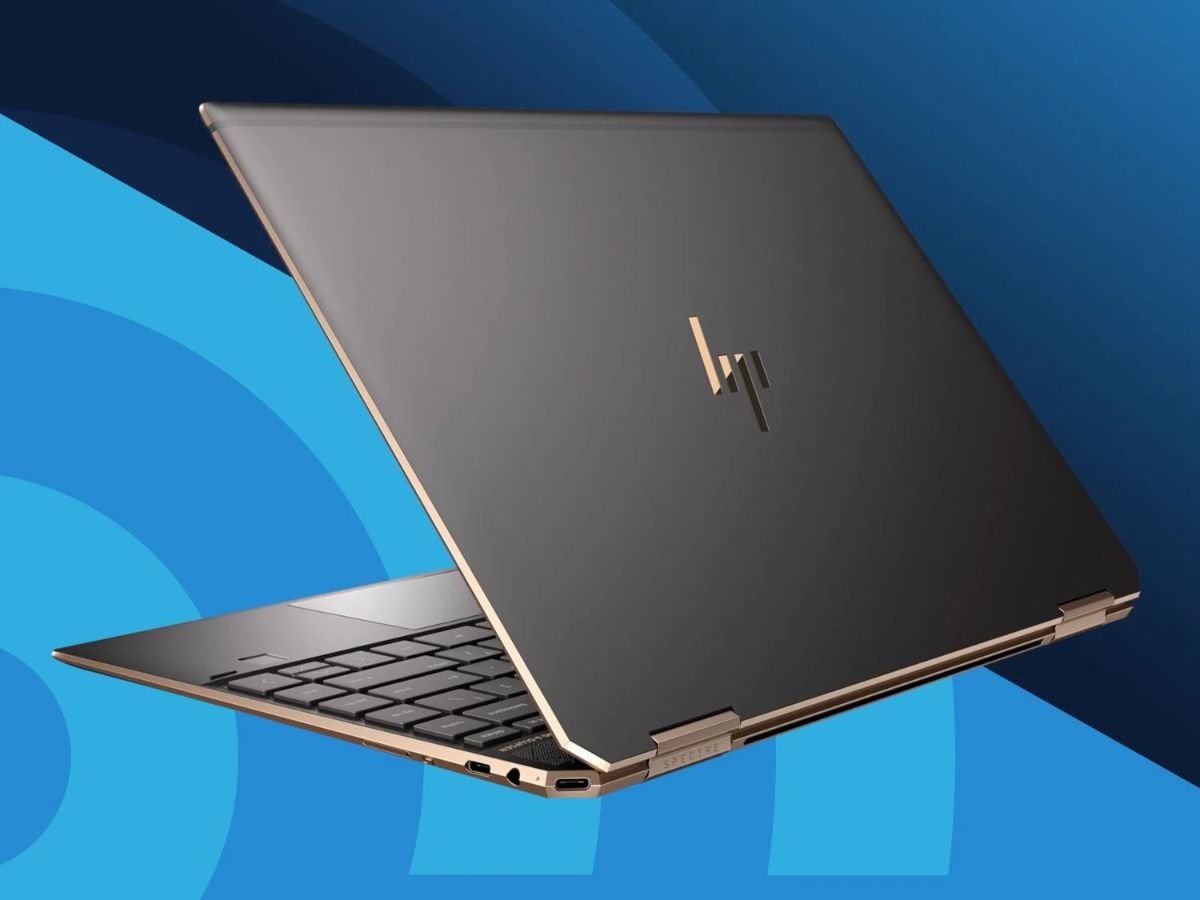
Image Source : Google
HP has led this market for years, and it shows in the range: basic HP 15 models for students, Pavilion and OmniBook laptops for everyday work, Victus and Omen for gaming, and EliteBook for offices. Its service network is among the widest, which matters most if you live outside a metro.
Who it suits: almost anyone, but especially buyers who want an easy service visit. Watch for: the cheapest HP models cut corners on the screen. Check brightness (250 nits is dim) before buying.
Lenovo
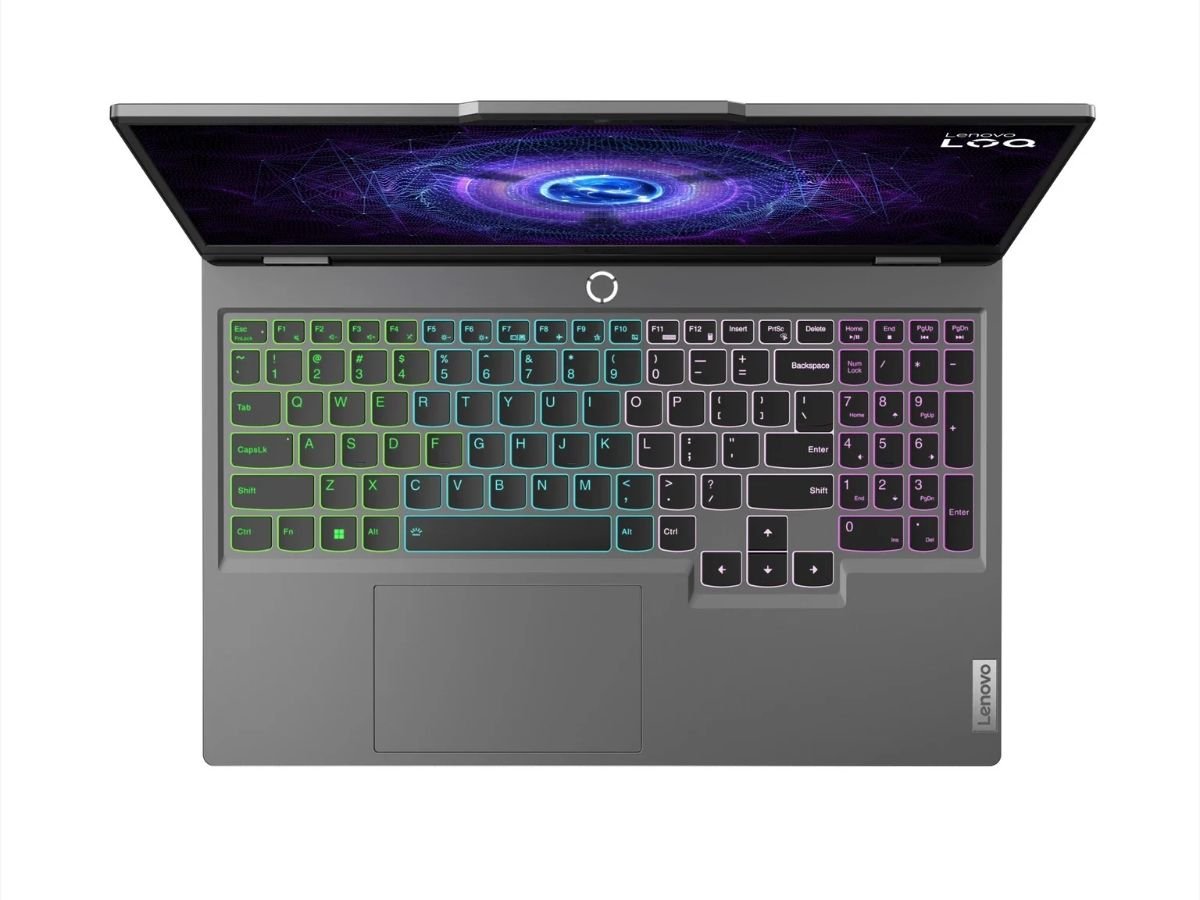
Image Source : Flipkart
Lenovo is the second-largest seller and arguably the best at keyboards. ThinkPad is the business line people tend to keep for six or seven years; IdeaPad is the consumer range; Legion and LOQ cover gaming; Yoga is the premium thin-and-light line.
Who it suits: students and professionals who type a lot. Watch for: many recent IdeaPads have soldered RAM. The Slim 3 mentioned above has 16 GB that cannot be upgraded, so buy the amount you will need for the next five years.
Dell
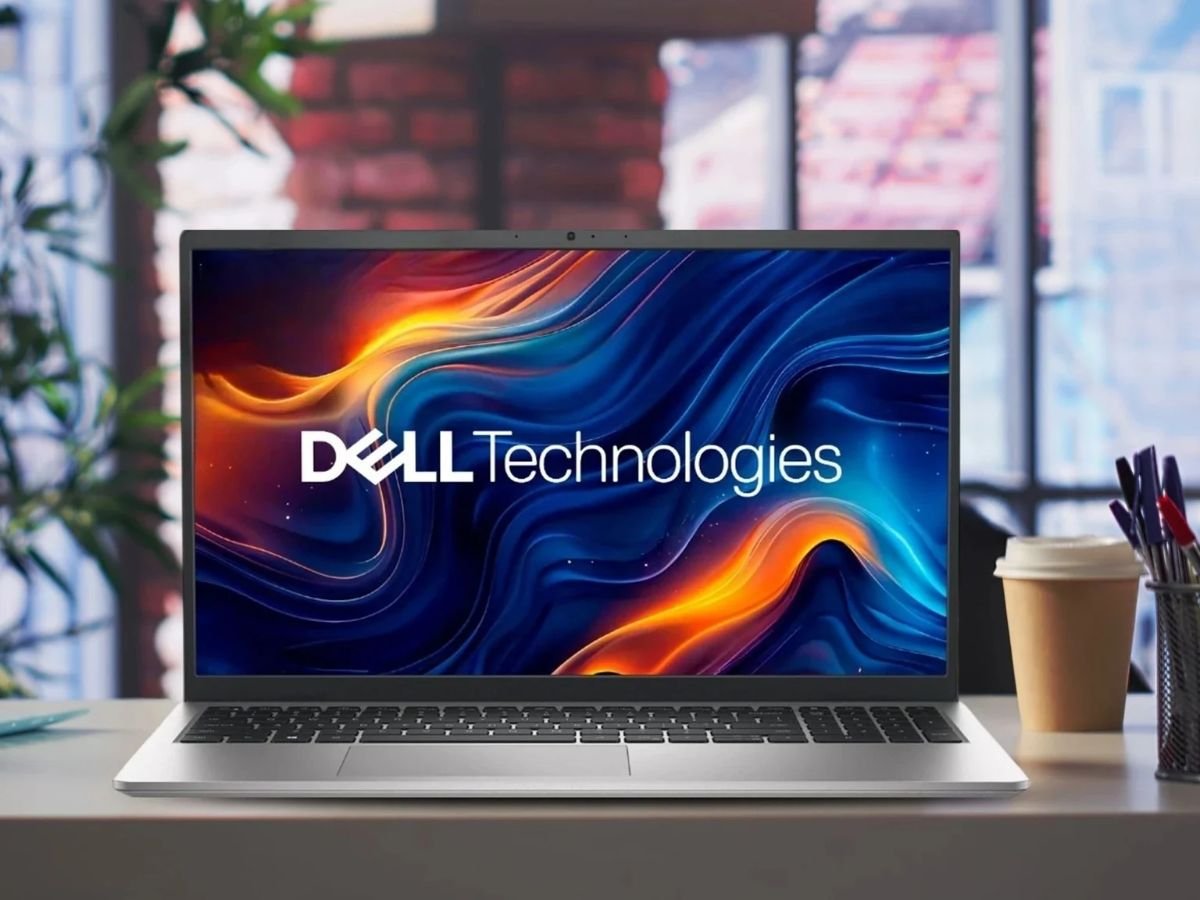
Image Source : Flipkart
Dell had the fastest growth in the quarter, with shipments up about 40%, mostly from business buyers. For home users, Inspiron is the mainstream range, the Dell 14 and 15 models cover entry level, and Alienware covers high-end gaming.
Who it suits: people who want plain, durable machines and good parts availability. Watch for: entry Dell models often ship with only 8 GB of RAM. Look for 16 GB.
Acer
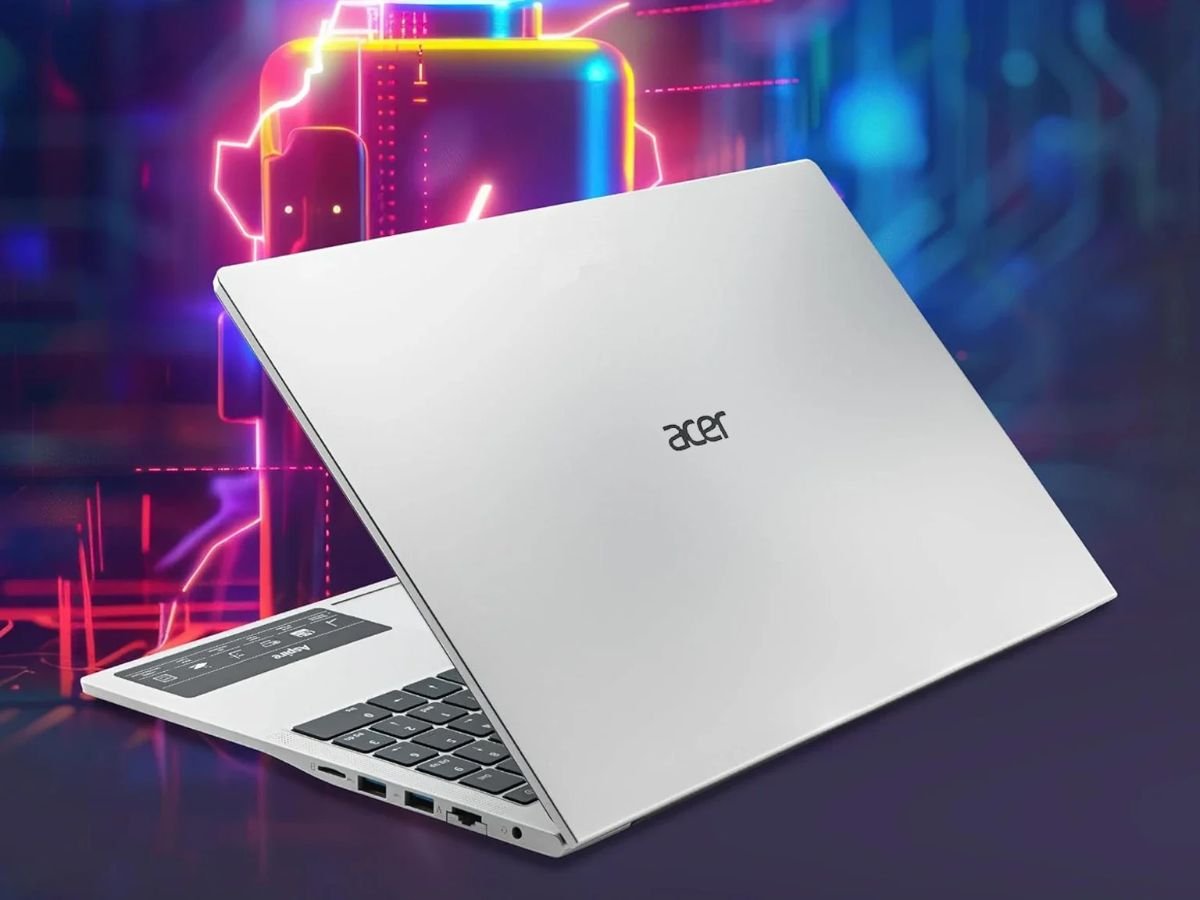
Image Source : Flipkart
Acer usually gives you more hardware for less money. The Aspire and Aspire Lite lines dominate the budget end, Swift covers thin-and-light, and Nitro and Predator cover gaming.
Who it suits: buyers who care most about specs per rupee. Watch for: build quality on the cheapest models (flexing lids, plastic hinges). Spend a little more for the mid-range Aspire or Swift if you can.
Asus
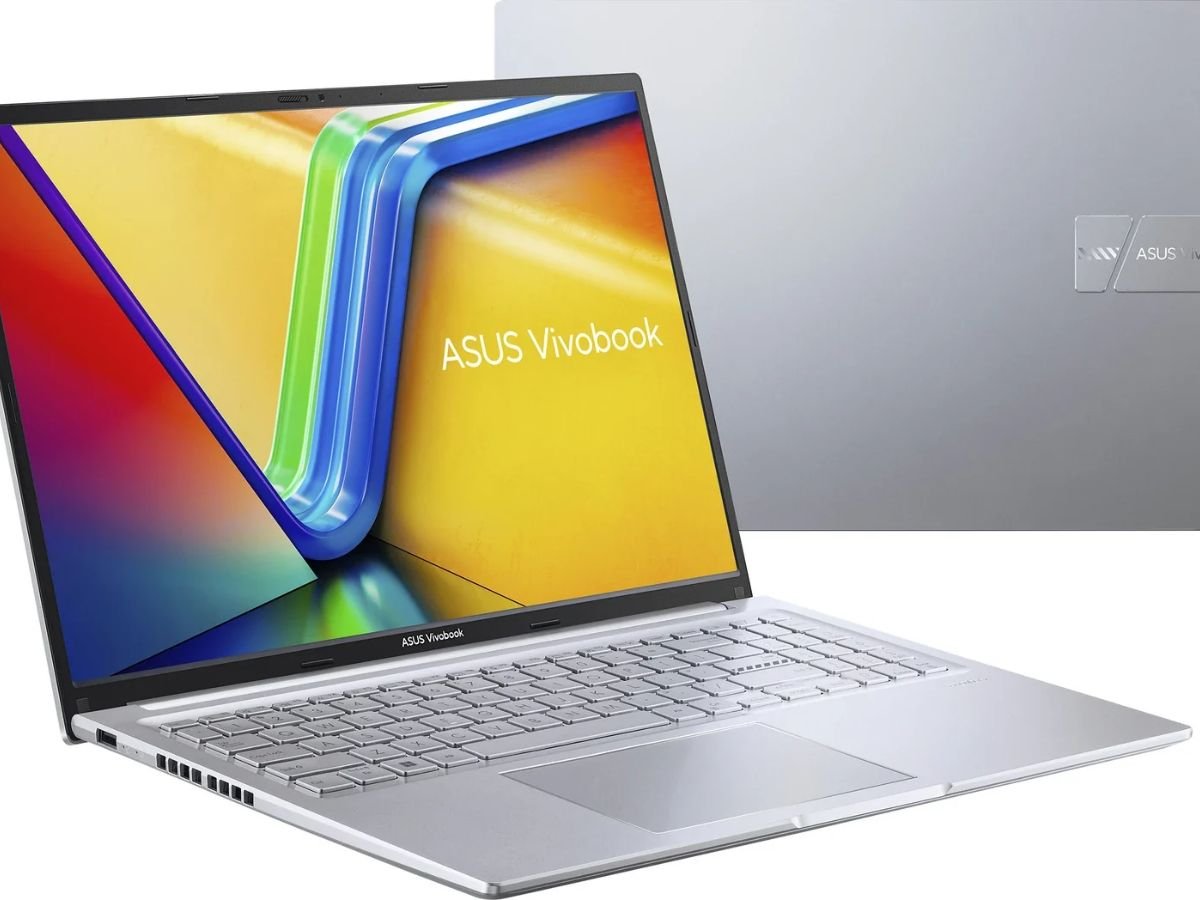
Image Source : Flipkart
Asus packs in features: OLED screens appear on its Vivobook and Zenbook models at prices where rivals still use basic LCD panels, and its TUF and ROG gaming laptops are among the most popular in their class.
Who it suits: buyers who want a good screen or a gaming laptop on a budget. Watch for: service-centre reach in smaller towns. Check the nearest centre before you buy.
Apple
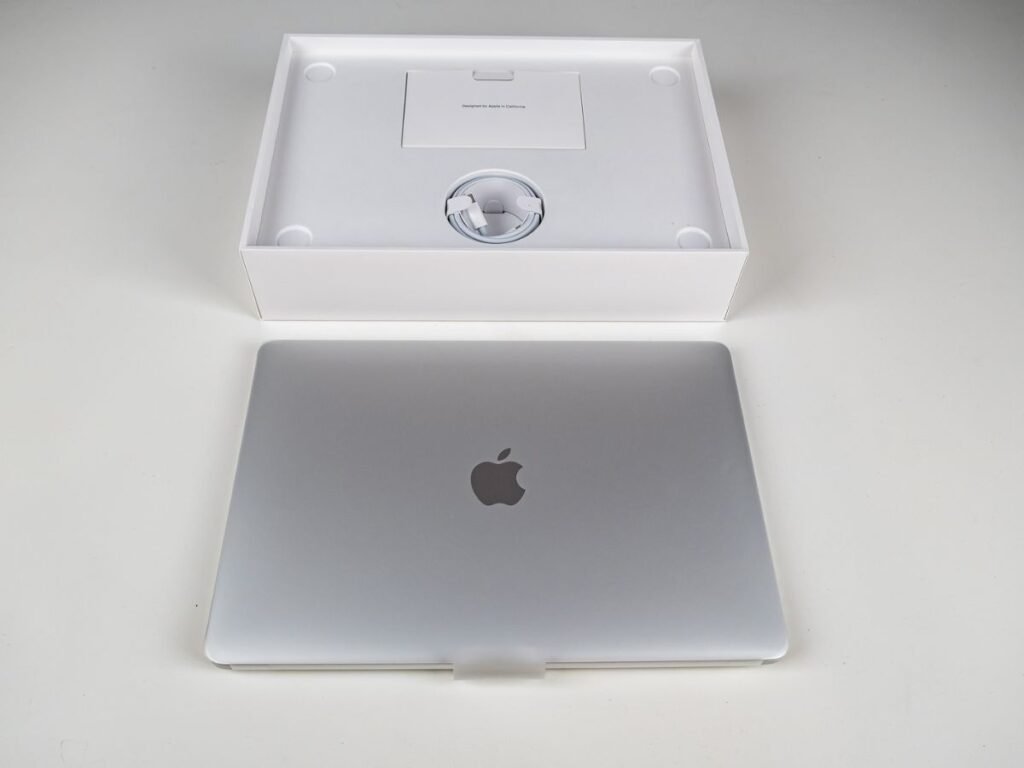
Image Source : Canva
Apple changed its pitch in India this year with the MacBook Neo, a 13-inch laptop on an iPhone-class A18 Pro chip. It launched at ₹69,900 for 256 GB, or ₹59,900 with the education discount, and festive offers have brought it close to ₹66,400 with bank discounts. That is Windows mid-range money for a Mac.
The Neo has limits: 8 GB of RAM that cannot be upgraded, no backlit keyboard, and support for only one external display. For heavier work, the MacBook Air is the better buy, and older M4 Air stock has been selling for ₹78,990 to ₹97,900 in sales.
Who it suits: people who keep laptops for many years and want good resale value. Watch for: repairs out of warranty are expensive. With AppleCare+, accidental screen or body damage still costs ₹8,900 per claim, and other damage costs ₹25,900.
Others worth a look
MSI makes well-regarded gaming and creator laptops; Samsung’s Galaxy Book and LG’s Gram compete in the thin-and-light segment. All three have smaller service footprints than the big five, so they suit buyers in metros best.
What your money buys now
Model numbers change every few months, so here is what to expect at each budget instead of a list that will be out of date by next quarter. These are rough bands based on listings from September to early November 2026.
| Budget | What to expect | Brands to compare |
| Under ₹35,000 | Entry chips (Intel Core 3, Ryzen 3, Celeron), usually 8 GB RAM. Fine for browsing, documents and online classes. | Acer, HP, Lenovo, Asus, Dell |
| ₹35,000–₹55,000 | Core 3/Core 5 or Ryzen 5 with 16 GB in the better deals. Croma’s current picks include 16–24 GB RAM options here. | HP, Acer, Asus, Lenovo, Dell |
| ₹55,000–₹80,000 | Mainstream 16 GB machines, better screens, MacBook Neo, older MacBook Air stock in sales. | Lenovo, HP, Asus, Apple |
| Above ₹80,000 | Premium thin-and-light, OLED, gaming laptops with dedicated graphics, MacBook Air M5 and Pro. | Apple, Asus, Lenovo, HP, Dell |
Bands are approximate and moving. In 2026, expect the same specification to cost more than it did a year ago.
The single most useful rule this year: 16 GB of RAM is the minimum worth paying for if you plan to keep a Windows laptop for more than three years. Windows 11, browsers and AI features all use more memory every year, and many laptops now have RAM soldered to the board, so you cannot add more later. Croma’s list of picks under ₹50,000 shows 16 GB is still reachable at that budget if you shop sales.
Think in cost per year, not sticker price
A laptop is a working tool, so the real cost is how much you pay for each year it stays useful. Here is a rough comparison, using illustrative prices:
| Budget Windows laptop | Mid-range Windows laptop | MacBook (Neo or Air) | |
| Example price | ₹38,000 | ₹70,000 | ₹70,000–₹95,000 |
| Likely useful life | 3–4 years | 5–6 years | 6–7 years |
| Cost per year | ₹9,500–₹12,700 | ₹11,700–₹14,000 | ₹10,000–₹15,800 |
| Resale at the end | Low | Moderate | Usually the highest |
Useful life is our estimate based on typical RAM, battery and software support, not a manufacturer figure.
The budget laptop looks cheapest on the tag but often costs about the same per year, because it gets slow sooner. If you can stretch to 16 GB of RAM and a decent processor, you usually get more years for your money.
Warranty: one year is the default, so plan for year two
Most consumer laptops in India come with one year of warranty. Apple gives one year plus 90 days of phone support. Some Windows models bundle extras: the IdeaPad Slim 3 above includes a year of accidental damage protection and onsite service. Read the listing carefully, because the type of service matters as much as the length:
- Carry-in or courier: you take the laptop to a service centre or send it in. Cheapest for the brand, slowest for you.
- Onsite: a technician comes to you. Much better if you rely on the laptop for work.
- Accidental damage protection (ADP): covers drops and spills, which standard warranty never does. This is the cover students most often need.
Extensions are not cheap. HP’s 2-year onsite notebook care pack lists at ₹10,460 on its India store, and it does not cover accidental damage. Whether that is worth it depends on the laptop’s price: on a ₹40,000 laptop it is a quarter of the cost; on a ₹1 lakh laptop it is a tenth. For a machine you use for paid work, a year or two of onsite cover is usually sensible. For a spare home laptop, putting the money aside for repairs is often the better bet.
Should you buy now, wait, or buy on EMI?
If your current laptop works, there is little reason to rush, but do not expect a big price fall soon either. If it has already failed, buying a model that has been on sale for a while is often cheaper than the newest version, because newer listings carry the higher memory costs. TechStories India notes that older IdeaPad Slim 3 model numbers still in stock can undercut new ones.
No-cost EMI is close to free but not completely: you pay 18% GST on the interest the bank charges, plus any processing fee. We worked through the numbers in our washing machine guide; on a ₹70,000 laptop over six months, expect roughly ₹800 to ₹1,000 in extra charges. That is acceptable if it saves you from dipping into your emergency fund, but not worth it if you have the cash and a straight discount is on offer.
Also check two things that cost nothing: any laptop still running Windows 10 has been out of free security support since October 2025, so avoid old stock or refurbished units that cannot run Windows 11. And student discounts, which Apple and several Windows brands offer through education stores, can save several thousand rupees.
Six checks before you pay
- RAM: 16 GB, and find out whether it is soldered.
- Storage: SSD only, 512 GB if you can. Check for a spare slot.
- Screen: Full HD at the least; 300 nits or more if you work near a window.
- Battery and charger: look for real-world reviews, not the brand’s “up to” figure.
- Warranty type: carry-in, onsite or ADP, and the price to extend it.
- Service centre: search the brand’s site with your PIN code before ordering.
Common questions
Which laptop brand is best for students?
For most students, an HP, Lenovo, Acer or Asus laptop with 16 GB RAM and accidental damage protection is the practical choice. If the budget reaches ₹60,000 with an education discount, the MacBook Neo is worth considering, provided the course does not need Windows-only software.
Which laptop brand lasts the longest?
Lifespan depends more on the model line than the brand. Business lines like Lenovo ThinkPad, HP EliteBook and Dell Latitude, and Apple’s MacBooks, are built to last longer than entry consumer models. Whatever you buy, more RAM and an SSD do more for longevity than the logo.
Dell or HP: which is better?
They are closer than most comparisons suggest. HP sells more and has slightly wider service reach; Dell’s machines are often simpler and well built at the mid-range. Compare the specific models, the warranty type and the nearest service centre rather than the brand name.
Is Lenovo a good brand?
Yes. It is the second-largest seller and its keyboards are widely regarded as among the best. Just check whether the RAM is soldered on IdeaPad models.
Can you get a Core i5 laptop under ₹30,000?
Not new, in 2026. Intel has also renamed its chips: newer ones are called Core 3, Core 5 and Core 7. At under ₹30,000, expect entry chips. For a Core 5 or Ryzen 5 with 16 GB RAM, plan for ₹45,000 and above, and watch for sale prices.
Is a MacBook worth it over a Windows laptop?
If you keep laptops for six years or more and do not need Windows-only software, often yes, because of longer software support and better resale value. If you need gaming, specific engineering tools or cheap repairs, Windows is the safer choice.
The bottom line
In a year when prices are rising, the best laptop brand is the one that gives you a machine you will not outgrow quickly, and a service centre you can reach. HP and Lenovo are the safest defaults; Acer and Asus are the value picks; Dell is solid if you find the right configuration; Apple costs more upfront but often less per year. Whatever you choose, do not compromise on 16 GB of RAM.

Hello there, my name is Phulutu, and I am the Head Content Developer at Nivesh Karlo. I have 13 years of experience working in fintech companies. I have worked as a freelance writer. I love writing about personal finance, investments, mutual funds, and stocks. All the articles I write are based on thorough research and analysis. However, it is highly recommended to note that neither Nivesh Karlo nor I recommend any investment without proper research, and to read all the documents carefully.